
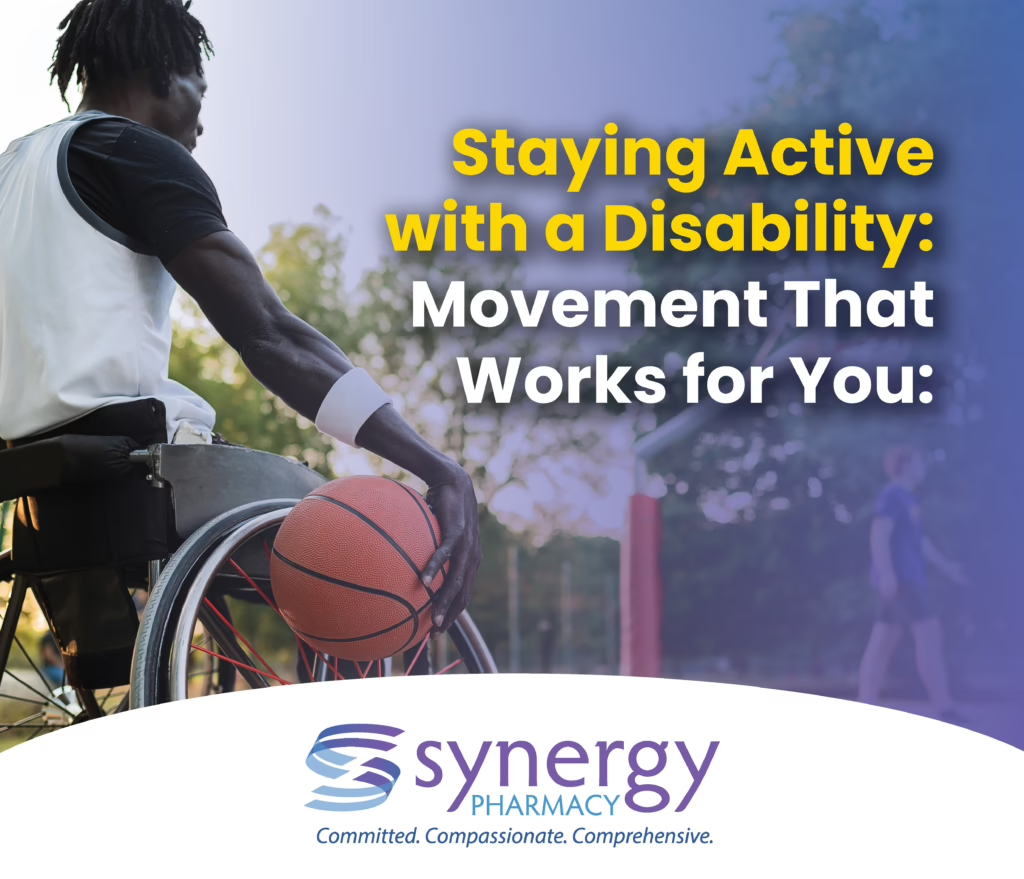
Staying active is often portrayed as a one-size-fits-all journey, but for people living with a disability, physical activity can and should look different. For people with disabilities, staying active is about honoring your body and discovering what movement means for you. Physical activity isn’t defined by someone else’s expectations or traditional fitness standards. It’s about embracing movement in ways that support your body, nourish your mind, and uplift your spirit. Through the support of injured workers pharmacy in PA, you are empowered to live fully and confidently, on your own terms.”
Redefining What “Being Active” Really Means
Being active doesn’t require running marathons or lifting heavy weights. For individuals with disabilities, activity may include gentle stretching, resistance bands, wheelchair-based exercises, aquatic therapy, yoga, or simply changing positions throughout the day. All movement counts.
The goal is not intensity, it’s consistency, comfort, and sustainability. When activity is redefined, it becomes more achievable and far less overwhelming.
Listening to Your Body
One of the most important parts of staying active with a disability is learning to listen to your body. Pain levels, fatigue, hydration, and flare-ups are real and valid signals, not signs of failure. Rest is often just as important as movement.
Some days you will feel stronger than others, and adjusting your routine accordingly is a strength. Flexibility in your approach helps support long-term health and injury recovery.
Finding Accessible and Adaptive Options
Accessibility can be a challenge, but it doesn’t have to be a barrier. Many gyms now offer adaptive equipment, and there are countless online resources featuring seated workouts, low-impact routines, and disability-led fitness programs.
Working with healthcare professionals such as physical therapists, occupational therapists, or adaptive fitness trainers can help you identify safe, effective movements that support healing, especially for individuals recovering from workplace injuries.
The Mental Health Benefits of Movement
Physical activity supports more than just physical health. Movement can help reduce stress, improve mood, and boost confidence. For many people with disabilities, it can also be an empowering way to reconnect with their bodies.
Even small amounts of movement can provide a sense of accomplishment and control, which is especially meaningful during recovery or challenging days.
Building a Supportive Environment
Support plays a vital role in staying active. This may come from friends and family who respect your limits, online communities with shared experiences, or healthcare partners, such as a pharmacy that understands your needs.
Surrounding yourself with providers who prioritize progress and safety makes staying active sustainable; finding a reliable workers compensation pharmacy in Scranton is a key part of that wellness network.
Progress Looks Different for Everyone
There is no finish line when it comes to movement. Progress may mean increased flexibility, reduced pain, better sleep, or simply feeling more comfortable in your body. Comparing your journey to others can be discouraging. Focus instead on what progress means to you.
You Are Enough
Your value is not defined by how active you are. Staying active with a disability is about choice, access, and self-respect. Whether your movement is gentle or challenging, daily or occasional, it is valid especially when supported by a injured workers pharmacy serving Lititz.
Movement should support your life, not define it. Do what you can, when you can, in the way that feels right for you. Staying active isn’t about overcoming a disability—it is truly about living well, supporting recovery, and maintaining health at every stage of life.